Introduction
This campaign is an initiative of MSD.
In Belgium, it is estimated that more than 80% of sexually active people will come into contact with a human papillomavirus (HPV) infection at some point in their lives.¹ In most people, HPV clears on its own. In those who do not clear the virus, it can cause genital warts as well as certain HPV-related conditions and cancers, in both men and women.
What is HPV?
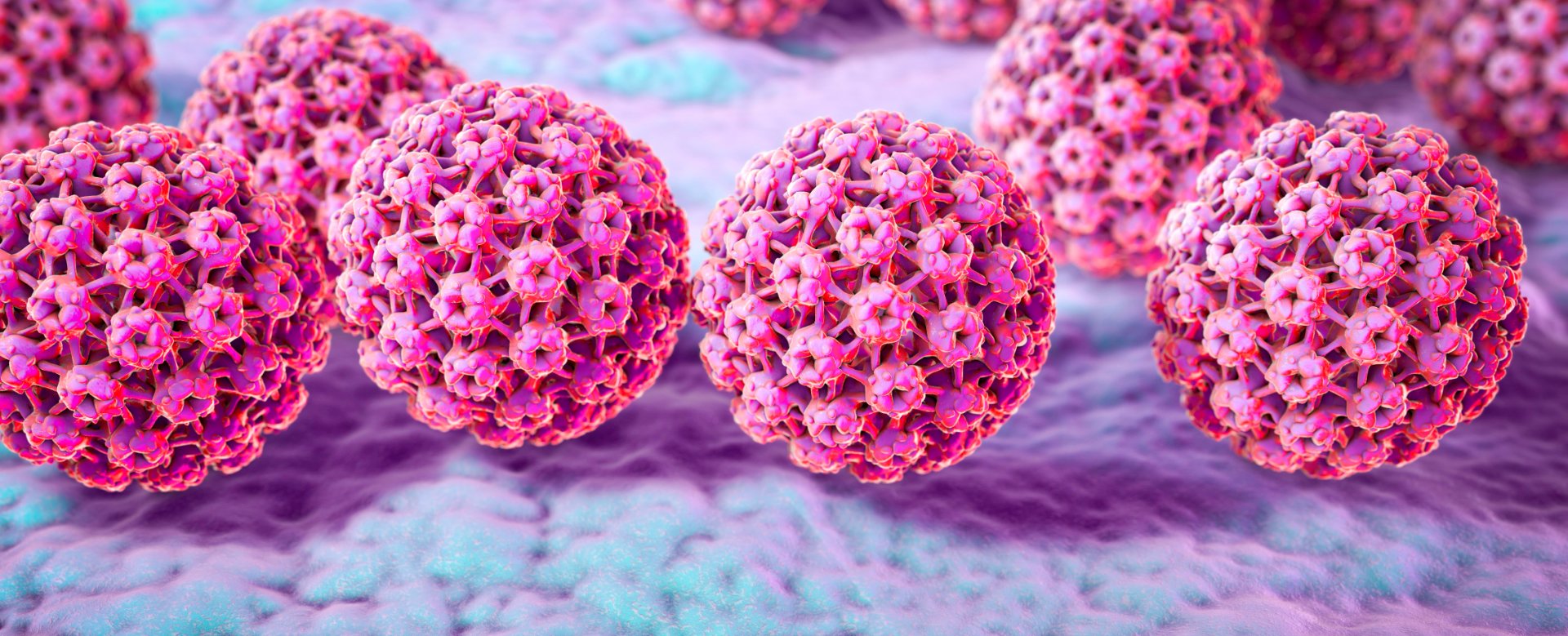
Human papillomaviruses (HPV) are a large family of viruses that can infect the skin and various mucous membranes.
An HPV infection often occurs without symptoms: there are no complaints, and there is no simple way to know whether someone is infected.
In 90% of cases, the virus clears spontaneously within two to three years thanks to the immune system, but certain types of the virus can cause serious and troublesome conditions in both men and women.²
Possible consequences of HPV
1. HPV and cervical cancer³
Certain high-risk HPV types can, if not naturally cleared by the immune system, cause lesions in the cervix. The severity depends on the number of affected cells and the area involved.
Most of these lesions disappear spontaneously. Others remain stable or progress to more advanced precancerous stages.
2. Other cancers associated with HPV⁴
HPV can also infect the lining of the vagina or vulva, causing lesions that may develop into vaginal or vulvar cancer.
Anal and penile cancers are also often linked to an HPV infection, although they are less common.
Recent studies also show that certain head and neck cancers may be associated with an HPV infection transmitted through oral sex, in both women and men.⁴
3. HPV and genital warts

HPV screening
In women, cervical cancer screening is based on a smear test performed by a gynecologist or general practitioner.
- Ages 25 to 29: a smear test every 3 years, aimed at detecting abnormal cells.
- Ages 30 to 64: a smear test every 5 years, starting with a check for the presence of high-risk HPV. Only if the result is positive are the cells further analyzed in the laboratory.
Currently, there is no reliable test to detect HPV in men.
Approximately 99% of cervical cancer cases are linked to an HPV infection.⁶
Regular screening significantly reduces the risk of developing this cancer. The doctor collects cells from the cervix and the vaginal lining using a small brush or spatula and then sends them to the laboratory for analysis.
For other cancers related to HPV (genital organs, anus, or head and neck), there is no systematic screening.
Preventing HPV infection
No curative treatment
There is no treatment to eliminate HPV. Vaccination, however, provides better protection against the most dangerous types.
Condom: useful but not sufficient
Vaccination: an effective method
As with other viruses (such as influenza or hepatitis B), vaccination helps the body produce antibodies that can neutralize the HPV types included in the vaccine before they establish themselves.
For maximum effectiveness, it is recommended to vaccinate young people from the age of 9, before their first sexual contact.
Even if someone has already been infected with a particular HPV type, vaccination remains useful to provide protection against other types included in the vaccine.
Discuss this with your doctor or pharmacist.
Vaccination in practice
In the French-speaking Community (Fédération Wallonie-Bruxelles), three options are available:
- Free vaccination via school or through a doctor participating in the FWB program, for:
- students in the 1st differentiated year or 2nd secondary yearyoung people born from 2008 onwards who missed school vaccination, up to and including 18 years of age
- young people born from 2008 onwards who missed school vaccination, up to and including 18 years of age
- Partially reimbursed vaccination with a doctor for those aged 12 to 18 inclusive (the consultation is also partially reimbursed).
- For individuals aged 19 to 30 inclusive, new preventive measures have been introduced: do not hesitate to seek information from a healthcare professional.
These new measures also apply to certain immunocompromised individuals (living with HIV or having undergone a transplant) up to and including the age of 45.
In Flanders, girls and boys can be vaccinated in three ways:
- Available free of charge in the first year of secondary school, either through school-based vaccination or via a doctor of choice.
- Partially reimbursed between the ages of 12 and 18. Additionally, part of the consultation fee with the doctor administering the vaccine is also covered.
- For women and men between 19 and 30 years old (inclusive).
Some health insurance funds also offer an annual reimbursement for vaccination.
Do not hesitate to discuss this with your doctor or pharmacist to learn more.
MSD BE-NON-02864